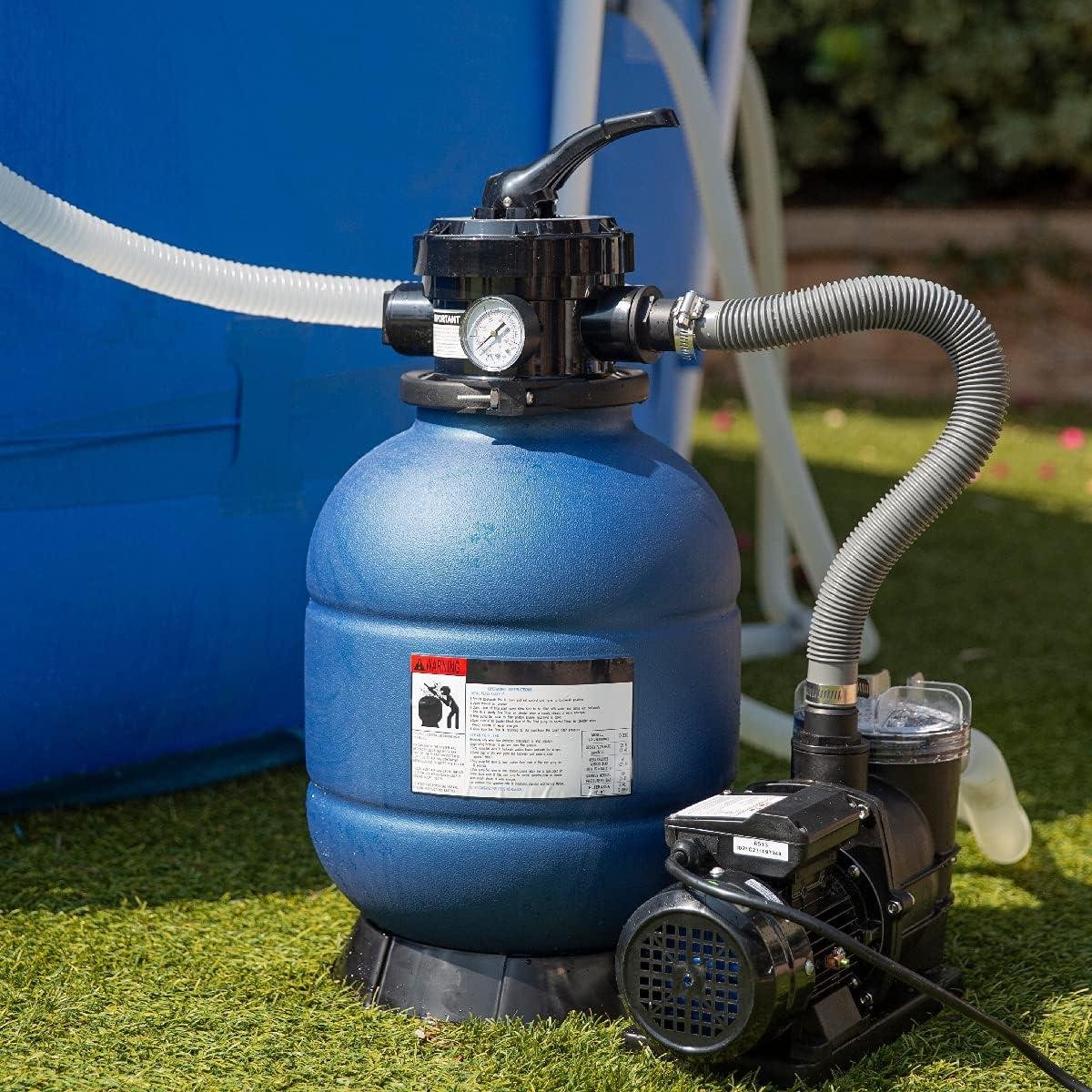
Maintaining clean and safe swimming pool water is essential for both enjoyment and health. One of the most important components of a well-functioning pool system is the filter. Swimming pool filters remove dirt, debris, algae, and even microscopic contaminants from the water, keeping it crystal clear and hygienic. In this blog, we’ll explore the different types of swimming pool filters, how they work, and how to choose the right one for your pool.
Why Pool Filtration Matters
Without proper filtration, pool water can quickly become cloudy, unsafe, and uninviting. Filters help circulate water through the pool system, trapping contaminants and allowing sanitizers like chlorine to work more effectively. A good filter improves water quality, reduces chemical usage, and prevents long-term damage to the pool surface and equipment.
Types of Swimming Pool Filters
There are three main types of pool filters, each with its own benefits and drawbacks:
-
Sand Filters
Sand filters use specially graded sand as a filter medium. Water enters the filter tank and is pushed through the sand, which traps dirt and debris.-
Pros: Low maintenance, easy to use, affordable.
-
Cons: Less effective at filtering very small particles, requires regular backwashing.
-
-
Cartridge Filters
Cartridge filters use a pleated paper or polyester cartridge to trap dirt. Water flows through the cartridge, which captures particles as small as 10 microns.-
Pros: Higher filtration accuracy, no backwashing needed, easy to clean.
-
Cons: Requires manual cleaning and periodic replacement.
-
-
Diatomaceous Earth (DE) Filters
DE filters offer the finest level of filtration, using a powder made from fossilized algae. The DE coats a grid inside the filter and traps particles as small as 2–5 microns.-
Pros: Best water clarity, removes the smallest particles.
-
Cons: More expensive, requires more maintenance and handling of DE powder.
-
Choosing the Right Filter
When selecting a pool filter, consider the following factors:
-
Pool Size: Larger pools require filters with greater flow rates.
-
Budget: Sand filters are the most budget-friendly, while DE filters are more costly.
-
Maintenance Preference: Cartridge filters are simple to clean, but DE filters offer the best performance if you don’t mind more upkeep.
-
Local Regulations: Some areas restrict DE use due to environmental concerns.
Filter Maintenance Tips
-
Clean the filter regularly according to the manufacturer’s instructions.
-
Monitor pressure gauges: A high reading indicates it's time to clean or backwash the filter.
-
Backwash sand and DE filters periodically to remove trapped debris.
-
Replace cartridges as needed, typically once a season or as water flow decreases.
Conclusion
Swimming pool filters are essential for keeping your pool clean, safe, and enjoyable. Whether you choose a sand, cartridge, or DE filter, regular maintenance is key to ensuring optimal performance. By understanding how each filter works and selecting the right one for your pool's needs, you can enjoy clear, sparkling water all season long.